Skip directly to search Skip directly to A to Z list Skip directly to navigation Skip directly to page options Skip directly to site content

Hot Topics of the Day|PHGKB
Search PHGKB:

10/30/2023

Hot Topics of the Day are picked by experts to capture the latest information and publications on public health genomics and precision health for various diseases and health topics. Sources include published scientific literature, reviews, blogs and popular press articles.

Sign up MyPHGKB to receive the daily hot topic email alert.

Search Archive:
Archived Hot Topics of the Day By Date

Digital lifestyle treatment improves long-term metabolic control in type 2 diabetes with different effects in pathophysiological and genetic subgroups.
Vishal A Salunkhe et al. NPJ Digit Med 2023 10 (1) 199

From the abstract: "To address the unmet need for scalable solutions for lifestyle treatment, we developed a new digital method to promote behavioral change. Here we report that patients with type-2 diabetes in Sweden (n?=?331) exposed to the intervention have significantly improved HbA1c during a median follow-up of 1038 days (4?mmol/mol compared with matched controls; P?=?0.009). This is paralleled by reduced body weight, ameliorated insulin secretion, increased physical activity, and cognitive eating restraints. Participants with high BMI and insulin resistance have an even larger response, as have non-risk allele carriers for the FTO gene. "

A scoping review of artificial intelligence-based methods for diabetes risk prediction.
Farida Mohsen et al. NPJ Digit Med 2023 10 (1) 197
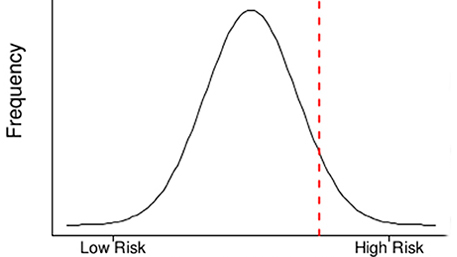
From the abstract: "The increasing prevalence of type 2 diabetes mellitus (T2DM) and its associated health complications highlight the need to develop predictive models for early diagnosis and intervention. While many artificial intelligence (AI) models for T2DM risk prediction have emerged, a comprehensive review of their advancements and challenges is currently lacking. This scoping review maps out the existing literature on AI-based models for T2DM prediction, adhering to the PRISMA extension for Scoping Reviews guidelines. "

Power of inclusion: Enhancing polygenic prediction with admixed individuals.
Yosuke Tanigawa et al. Am J Hum Genet 2023 10

From the abstract: "Admixed individuals offer unique opportunities for addressing limited transferability in polygenic scores (PGSs), given the substantial trans-ancestry genetic correlation in many complex traits. However, they are rarely considered in PGS training, given the challenges in representing ancestry-matched linkage-disequilibrium reference panels for admixed individuals. Here we present inclusive PGS (iPGS), which captures ancestry-shared genetic effects by finding the exact solution for penalized regression on individual-level data. "

Polygenic risk scores for disease risk prediction in Africa: current challenges and future directions
S Fatumo et al, Genome Medicine, October 30, 2023

From the abstract: " Polygenic risk scores (PRS), which combine multiple contributing variants to predict disease risk, have the potential to influence the implementation for precision medicine. However, the majority of existing PRS were developed from European data with limited transferability to African populations. We (1) discuss the factors contributing to the poor transferability of PRS in African populations, (2) showcase the novel Africa genomic datasets for PRS development, (3) explore the potential clinical utility of PRS in African populations, and (4) provide insight into the future of PRS in Africa."


Disclaimer: Articles listed in Hot Topics of the Day are selected by Public Health Genomics Branch to provide current awareness of the scientific literature and news. Inclusion in the update does not necessarily represent the views of the Centers for Disease Control and Prevention nor does it imply endorsement of the article's methods or findings. CDC and DHHS assume no responsibility for the factual accuracy of the items presented. The selection, omission, or content of items does not imply any endorsement or other position taken by CDC or DHHS. Opinion, findings and conclusions expressed by the original authors of items included in the Clips, or persons quoted therein, are strictly their own and are in no way meant to represent the opinion or views of CDC or DHHS. References to publications, news sources, and non-CDC Websites are provided solely for informational purposes and do not imply endorsement by CDC or DHHS.
TOP