Skip directly to search Skip directly to A to Z list Skip directly to navigation Skip directly to page options Skip directly to site content

Hot Topics of the Day|PHGKB
Search PHGKB:

10/19/2023

Hot Topics of the Day are picked by experts to capture the latest information and publications on public health genomics and precision health for various diseases and health topics. Sources include published scientific literature, reviews, blogs and popular press articles.

Sign up MyPHGKB to receive the daily hot topic email alert.

Search Archive:
Archived Hot Topics of the Day By Date

Mobile element insertions in rare diseases: a comparative benchmark and reanalysis of 60,000 exome samples
R Wyngaard et al, EJHG, October 19, 2023

From the abstract: "Mobile element insertions (MEIs) are a known cause of genetic disease but have been underexplored due to technical limitations of genetic testing methods. Various bioinformatic tools have been developed to identify MEIs in Next Generation Sequencing data. However, most tools have been developed specifically for genome sequencing (GS) data rather than exome sequencing (ES) data, which remains more widely used for routine diagnostic testing. "

Specific measures for data-intensive health research without consent: a systematic review of soft law instruments and academic literature.
Julie-Anne R Smit et al. Eur J Hum Genet 2023 10
From the abstract: " We performed a systematic review of relevant soft law instruments and academic literature to identify what measures are mentioned in those documents. Our analysis resulted in the identification of four overarching themes of suggested measures: organizational measures; technical measures; oversight and review mechanisms; and public engagement and participation. Some of the suggested measures do not substantially contribute to the clarification of the GDPR’s “suitable and specific measures” requirement because they remain vague or broad in nature and encompass all types of data processing. "

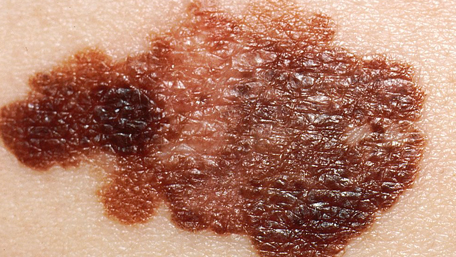
Personalized anti-cancer vaccine combining mRNA and immunotherapy tested in melanoma trial.
Thiago Carvalho et al. Nat Med 2023 9 (10) 2379-2380

From the article: "An estimated 325,000 new cases of malignant melanoma were diagnosed worldwide in 2020. The clinical deployment of immune checkpoint inhibitors over the past 12 years has revolutionized melanoma treatment, and the 5-year survival rate in the USA now approaches 95%. However, the frequency of melanoma is increasing, particularly in lighter-skinned people, and for the minority of patients diagnosed with metastatic disease, the 5-year survival rate is 35%, although the introduction of immunotherapy has doubled the median survival time for these patients. "

Neoplasia risk in patients with Lynch syndrome treated with immune checkpoint blockade.
Emily C Harrold et al. Nat Med 2023 10 (10) 2458-2463

From the abstract: "Metastatic and localized mismatch repair-deficient (dMMR) tumors are exquisitely sensitive to immune checkpoint blockade (ICB). The ability of ICB to prevent dMMR malignant or pre-malignant neoplasia development in patients with Lynch syndrome (LS) is unknown. Of 172 cancer-affected patients with LS who had received =1 ICB cycles, 21 (12%) developed subsequent malignancies after ICB exposure, 91% (29/32) of which were dMMR, with median time to development of 21?months (interquartile range, 6–38). "

Two Years of Newborn Screening for Duchenne Muscular Dystrophy as a Part of the Statewide Early Check Research Program in North Carolina
KS Kucera et al, Genetics in Medicine, October 17, 2023

From the abstract: " We screened 13,354 newborns and identified two males with DMD. The provisional 1626 ng/mL cutoff was raised to 2032 ng/mL to improve specificity, and additional cutoffs (900 and 360 ng/mL) were implemented to improve sensitivity for older and low-birthweight newborns. Population-scale screening for elevated CK-MM in DBS is a feasible approach to identify newborns with DMD. Inclusion of birthweight- and age-specific cutoffs, repeat CK testing after 72 hours of age, and DMD sequencing improve sensitivity and specificity of screening."


Disclaimer: Articles listed in Hot Topics of the Day are selected by Public Health Genomics Branch to provide current awareness of the scientific literature and news. Inclusion in the update does not necessarily represent the views of the Centers for Disease Control and Prevention nor does it imply endorsement of the article's methods or findings. CDC and DHHS assume no responsibility for the factual accuracy of the items presented. The selection, omission, or content of items does not imply any endorsement or other position taken by CDC or DHHS. Opinion, findings and conclusions expressed by the original authors of items included in the Clips, or persons quoted therein, are strictly their own and are in no way meant to represent the opinion or views of CDC or DHHS. References to publications, news sources, and non-CDC Websites are provided solely for informational purposes and do not imply endorsement by CDC or DHHS.
TOP