Skip directly to search Skip directly to A to Z list Skip directly to navigation Skip directly to page options Skip directly to site content

Hot Topics of the Day|PHGKB
Search PHGKB:

01/30/2024

Hot Topics of the Day are picked by experts to capture the latest information and publications on public health genomics and precision health for various diseases and health topics. Sources include published scientific literature, reviews, blogs and popular press articles.

Sign up MyPHGKB to receive the daily hot topic email alert.

Search Archive:
Archived Hot Topics of the Day By Date

Cost-Effectiveness of Screening Strategies for Familial Hypercholesterolaemia: An Updated Systematic Review.
Clara Marquina et al. Pharmacoeconomics 2024 1

From the abstract: "A total of 21 studies evaluating 62 strategies were included in this review, most of the studies (95%) adopted a healthcare perspective in the base case, and majority were set in high-income countries. Strategies analysed included cascade screening (23 strategies), opportunistic screening (13 strategies), systematic screening (11 strategies) and population-wide screening (15 strategies). Most of the strategies relied on genetic diagnosis for case ascertainment. Based on reported willingness to pay thresholds for each setting, most CEA studies concluded that screening for FH compared with no screening was cost-effective, regardless of the screening strategy. Cascade screening resulted in the largest health benefits per person tested. "

Cost-Effectiveness of Whole-Genome vs Whole-Exome Sequencing Among Children With Suspected Genetic Disorders.
Mario Cesare Nurchis et al. JAMA Netw Open 2024 1 (1) e2353514
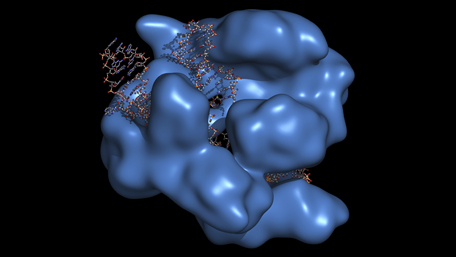
From the abstract: "Is whole-genome sequencing (WGS) more cost-effective than whole-exome sequencing for children with suspected genetic disorders? The results of this economic evaluation of a cohort of 870 pediatric patients suggest that adopting WGS as a first-tier strategy would be cost-effective at a willingness-to-pay threshold of €30 000 to €50 000 (US $32?625-$54?375), specifically for the diagnosis of severely ill infants with suspected genetic disorders. ng These findings suggest that wider use of WGS may minimize diagnostic delays and facilitate timely implementation of appropriate treatments. "

Building CRISPR Gene Therapies for the Central Nervous System: A Review.
Sally E Salomonsson et al. JAMA Neurol 2024 1

From the abstract: "Gene editing using clustered regularly interspaced short palindromic repeats (CRISPR) holds the promise to arrest or cure monogenic disease if it can be determined which genetic change to create without inducing unintended cellular dysfunction and how to deliver this technology to the target organ reliably and safely. Clinical trials for blood and liver disorders, for which delivery of CRISPR is not limiting, show promise, yet no trials have begun for central nervous system (CNS) indications. "

Multiomic Analysis of Neuroinflammation and Occult Infection in Sudden Infant Death Syndrome.
Prashanth S Ramachandran et al. JAMA Neurol 2024 1

From the abstract: "In this case-control study, postmortem serum and/or cerebrospinal fluid (CSF) samples from 71 sudden infant death syndrome (SIDS) cases and 20 controls were screened for inflammatory markers. A subset of SIDS cases showed elevated levels of CSF neopterin; metagenomic next-generation sequencing identified human parechovirus 3 (HPeV3) in 1 case, and single-nucleus RNA sequencing revealed cell type–specific molecular signatures of brainstem neuroinflammation associated with HPeV3. Postmortem application of next-generation molecular approaches can reveal undiagnosed neuroinflammation, occult infection, and novel insights into pathophysiology in infants dying suddenly and unexpectedly. "

AI-Generated Clinical Summaries Require More Than Accuracy.
Katherine E Goodman et al. JAMA 2024 1

From the article: "Little more than a year after ChatGPT’s public release, clinical applications of generative artificial intelligence and large language models (LLMs) are advancing rapidly. In the long term, LLMs may revolutionize much of clinical medicine, from patient diagnosis to treatment. In the short term, however, it is the everyday clinical tasks that LLMs will change most quickly and with the least scrutiny. Specifically, LLMs that summarize clinical notes, medications, and other forms of patient data are in advanced development and could soon reach patients. Summarization, though, is not as simple as it seems, and variation in LLM-generated summaries could exert important and unpredictable effects on clinician decision-making. "


Disclaimer: Articles listed in Hot Topics of the Day are selected by Public Health Genomics Branch to provide current awareness of the scientific literature and news. Inclusion in the update does not necessarily represent the views of the Centers for Disease Control and Prevention nor does it imply endorsement of the article's methods or findings. CDC and DHHS assume no responsibility for the factual accuracy of the items presented. The selection, omission, or content of items does not imply any endorsement or other position taken by CDC or DHHS. Opinion, findings and conclusions expressed by the original authors of items included in the Clips, or persons quoted therein, are strictly their own and are in no way meant to represent the opinion or views of CDC or DHHS. References to publications, news sources, and non-CDC Websites are provided solely for informational purposes and do not imply endorsement by CDC or DHHS.
TOP